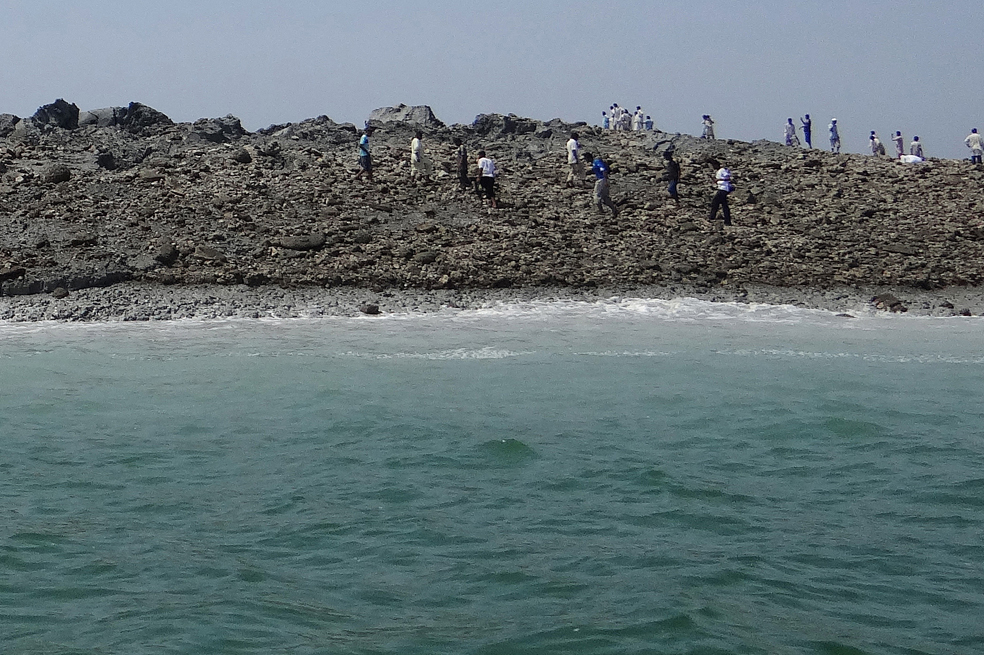
In this photo released by the Pakistani Government, Pakistani men walk on an island that appeared 2 kilometres off the coastline of Gwadar on September 25, 2013, after an earthquake the day before. The National Institute of Oceanography has sent a team to survey the island, which stands about 20 metres (70 feet) high. Pakistani rescuers strived to reach victims of a huge earthquake that killed more than 230 people and toppled thousands of mud-built homes when it hit the country's southwest with enough force to create a new island off the coast. AFP PHOTO/ Pakistan Government
—-EDITORS NOTE—- RESTRICTED TO EDITORIAL USE – MANDATORY CREDIT "AFP PHOTO/ Pakistani Government" – NO MARKETING NO ADVERTISING CAMPAIGNS – DISTRIBUTED AS A SERVICE TO CLIENTS
Foto: AFP - HO
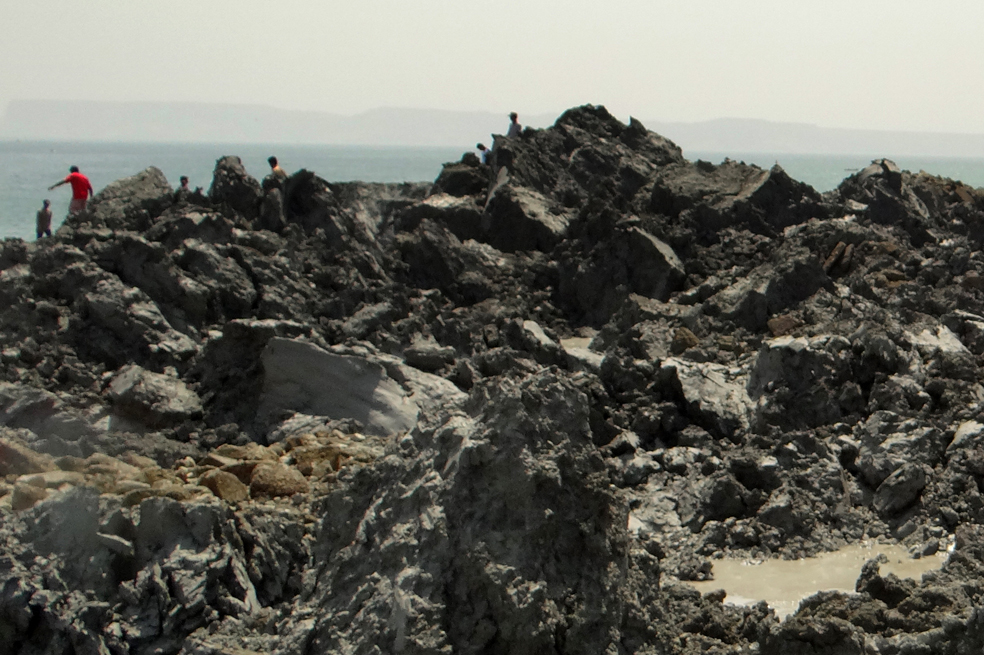
In this photo released by the Pakistani Government, Pakistani men walk on an island that appeared 2 kilometres off the coastline of Gwadar on September 25, 2013, after an earthquake the day before. The National Institute of Oceanography has sent a team to survey the island, which stands about 20 metres (70 feet) high. Pakistani rescuers strived to reach victims of a huge earthquake that killed more than 230 people and toppled thousands of mud-built homes when it hit the country's southwest with enough force to create a new island off the coast. AFP PHOTO/ Pakistan Government
—-EDITORS NOTE—- RESTRICTED TO EDITORIAL USE – MANDATORY CREDIT "AFP PHOTO/ Pakistani Government" – NO MARKETING NO ADVERTISING CAMPAIGNS – DISTRIBUTED AS A SERVICE TO CLIENTS
Foto: AFP - HO
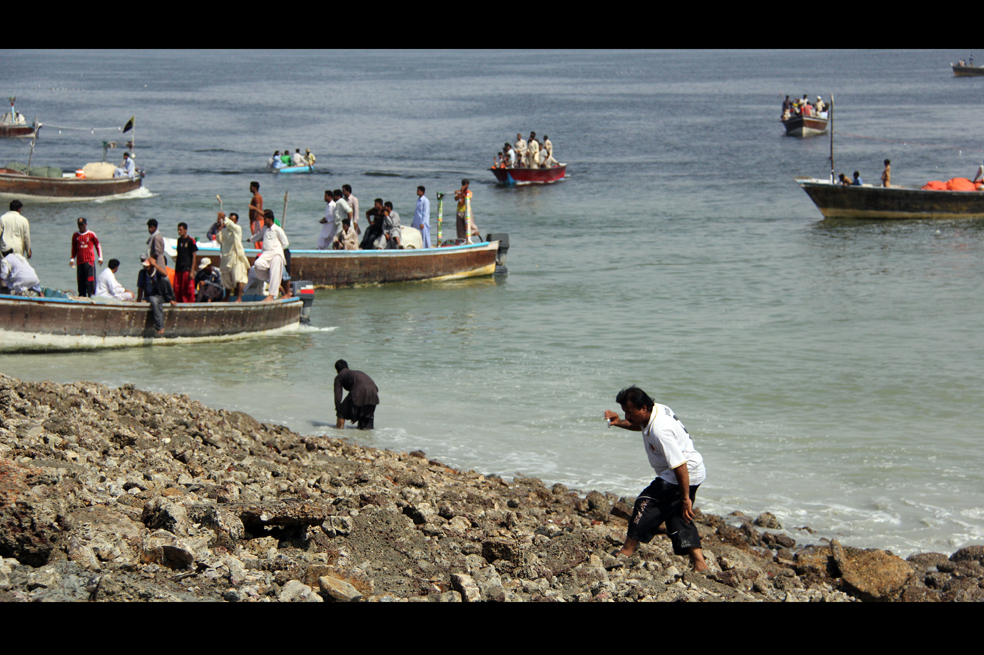
This photograph taken on September 25, 2013, shows Pakistani residents as they arrive by boat to an island that appeared some two kilometres off the coastline at Gwadar after an earthquake. A small island of mud and rock created by the huge earthquake that hit southwest Pakistan has fascinated locals but experts — who found methane gas rising from it — say it is unlikely to last long. The 7.7-magnitude quake struck on September 24, in Baluchistan's remote Awaran district, killing at least 271 people and affecting hundreds of thousands. AFP PHOTO / Behram BALOCH
Foto: AFP - BEHRAM BALOCH
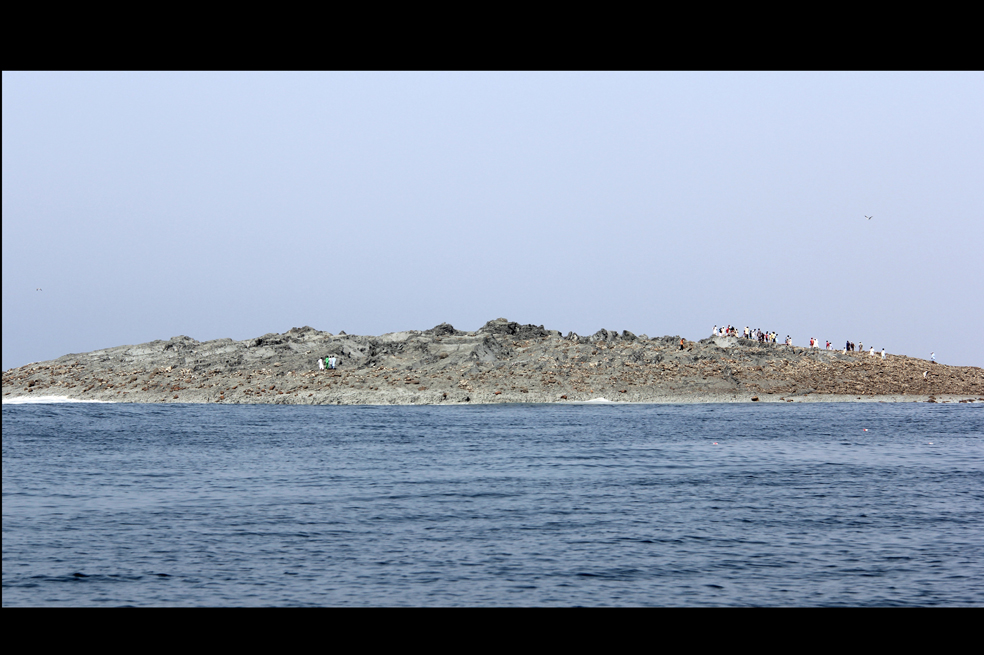
This photograph taken on September 25, 2013, shows Pakistani residents as they gather on an island that appeared some two kilometres off the coastline of Gwadar after an earthquake. A small island of mud and rock created by the huge earthquake that hit southwest Pakistan has fascinated locals but experts — who found methane gas rising from it — say it is unlikely to last long. The 7.7-magnitude quake struck on September 24, in Baluchistan's remote Awaran district, killing at least 271 people and affecting hundreds of thousands. AFP PHOTO / Behram BALOCH
Foto: AFP - BEHRAM BALOCH
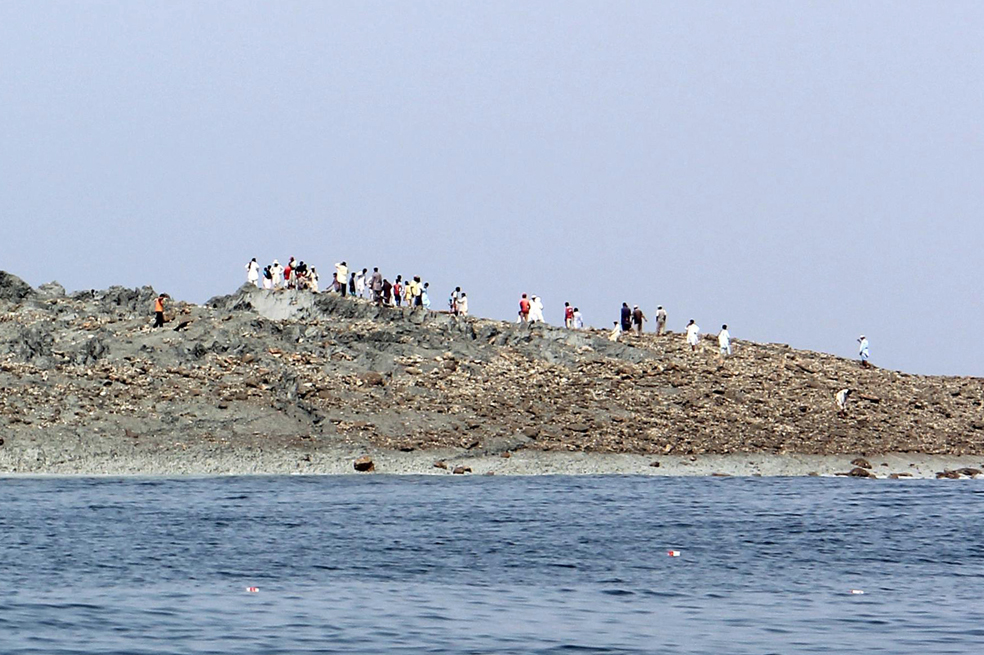
This photograph taken on September 25, 2013, shows Pakistani residents as they gather on an island that appeared some two kilometres off the coastline of Gwadar after an earthquake. A small island of mud and rock created by the huge earthquake that hit southwest Pakistan has fascinated locals but experts — who found methane gas rising from it — say it is unlikely to last long. The 7.7-magnitude quake struck on September 24, in Baluchistan's remote Awaran district, killing at least 271 people and affecting hundreds of thousands. AFP PHOTO / Behram BALOCH
Foto: AFP - BEHRAM BALOCH
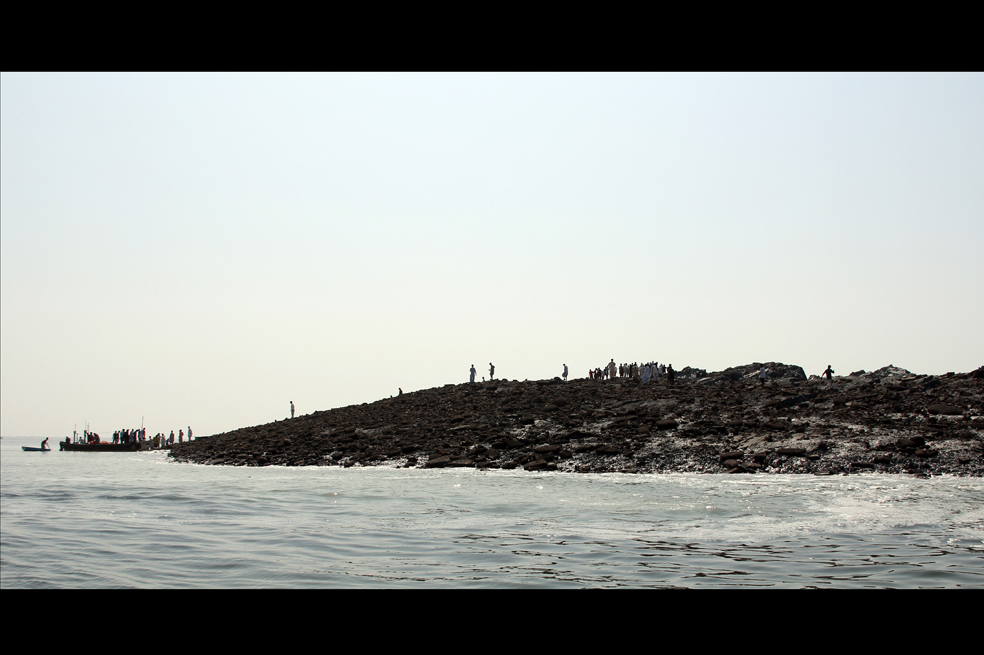
This photograph taken on September 25, 2013, shows Pakistani residents as they arrive by boat to an island that appeared some two kilometres off the coastline at Gwadar after an earthquake. A small island of mud and rock created by the huge earthquake that hit southwest Pakistan has fascinated locals but experts — who found methane gas rising from it — say it is unlikely to last long. The 7.7-magnitude quake struck on September 24, in Baluchistan's remote Awaran district, killing at least 271 people and affecting hundreds of thousands. AFP PHOTO / Behram BALOCH
Foto: AFP - BEHRAM BALOCH
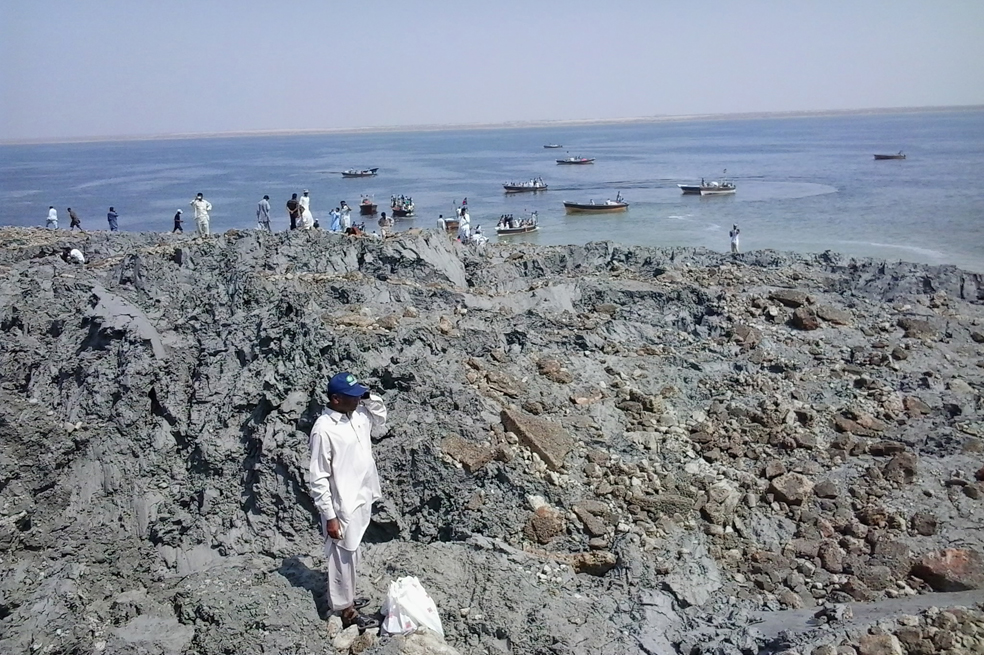
This photograph taken on September 25, 2013, shows Pakistani residents as they gather on an island that appeared some two kilometres off the coastline of Gwadar after an earthquake. A small island of mud and rock created by the huge earthquake that hit southwest Pakistan has fascinated locals but experts — who found methane gas rising from it — say it is unlikely to last long. The 7.7-magnitude quake struck on September 24, in Baluchistan's remote Awaran district, killing at least 271 people and affecting hundreds of thousands. AFP PHOTO / Behram BALOCH
Foto: AFP - BEHRAM BALOCH
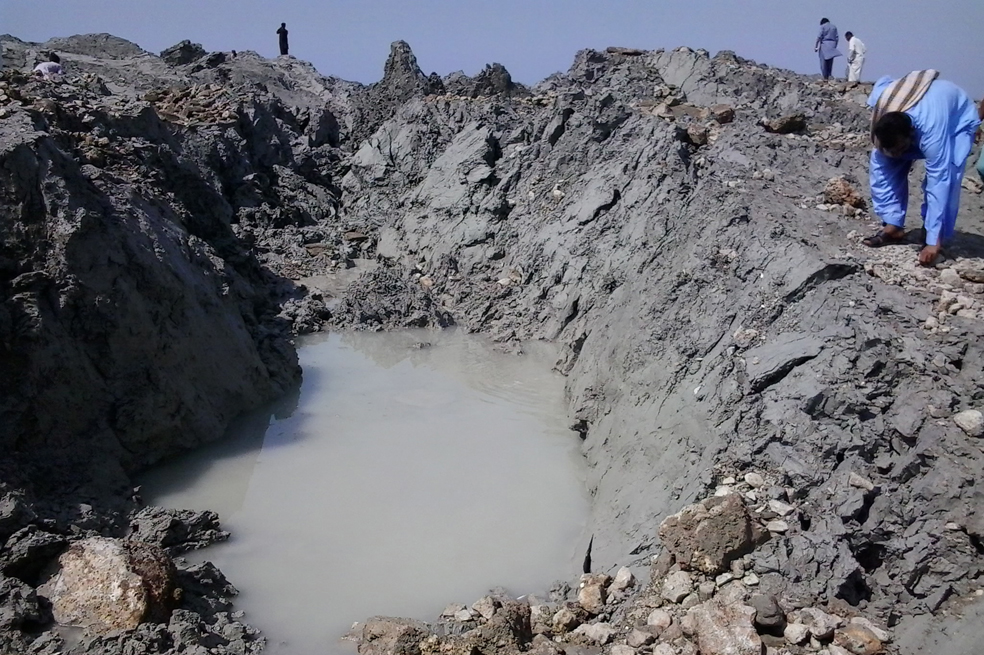
This photograph taken on September 25, 2013, shows Pakistani residents as they gather on an island that appeared some two kilometres off the coastline of Gwadar after an earthquake. A small island of mud and rock created by the huge earthquake that hit southwest Pakistan has fascinated locals but experts — who found methane gas rising from it — say it is unlikely to last long. The 7.7-magnitude quake struck on September 24, in Baluchistan's remote Awaran district, killing at least 271 people and affecting hundreds of thousands. AFP PHOTO / Behram BALOCH
Foto: AFP - BEHRAM BALOCH

 Conoce más
Comentarios
Sin comentarios aún. Suscríbete e inicia la conversación