Graffiti in Bogota, Colombia on January 7, 2016. Once considered vandalism, graffiti is gaining more respect in Colombia, reflecting the desire for peace, while the government and the FARC guerrillas negotiate an end to the country's half-century armed conflict. AFP PHOTO/Raul ARBOLEDA / AFP / — / RAUL ARBOLEDA
Foto: AFP - RAUL ARBOLEDA

Graffiti in Bogota, Colombia on January 8, 2016. Once considered vandalism, graffiti is gaining more respect in Colombia, reflecting the desire for peace, while the government and the FARC guerrillas negotiate an end to the country's half-century armed conflict. AFP PHOTO/Raul ARBOLEDA / AFP / — / RAUL ARBOLEDA
Foto: AFP - RAUL ARBOLEDA

Graffiti in Bogota, Colombia on January 8, 2016. Once considered vandalism, graffiti is gaining more respect in Colombia, reflecting the desire for peace, while the government and the FARC guerrillas negotiate an end to the country's half-century armed conflict. AFP PHOTO/Raul ARBOLEDA / AFP / — / RAUL ARBOLEDA
Foto: AFP - RAUL ARBOLEDA
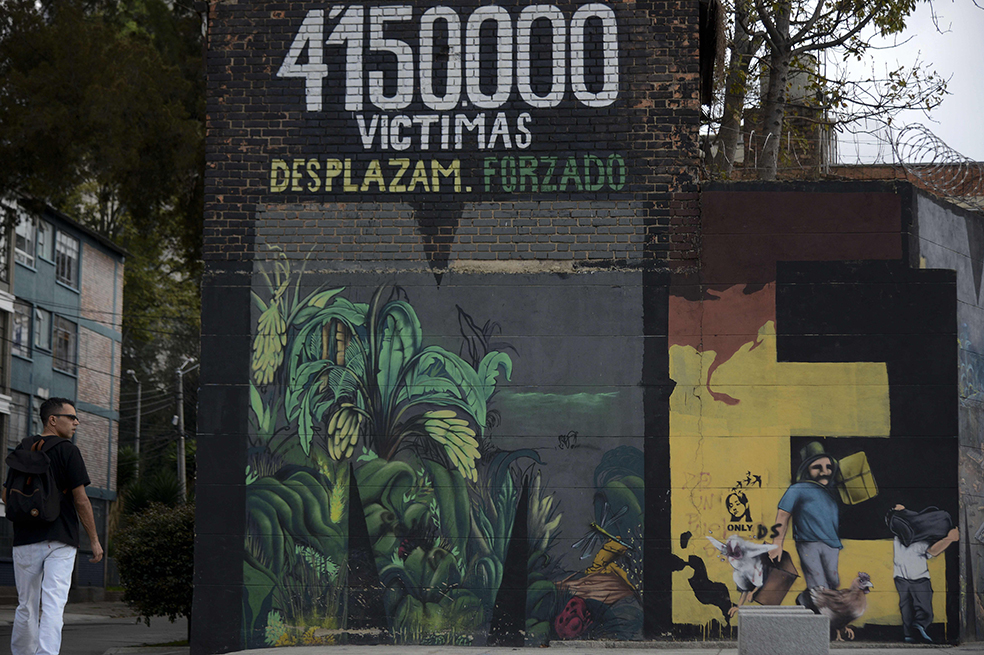
Graffiti in Bogota, Colombia on January 8, 2016. Once considered vandalism, graffiti is gaining more respect in Colombia, reflecting the desire for peace, while the government and the FARC guerrillas negotiate an end to the country's half-century armed conflict. AFP PHOTO/Raul ARBOLEDA / AFP / — / RAUL ARBOLEDA
Foto: AFP - RAUL ARBOLEDA
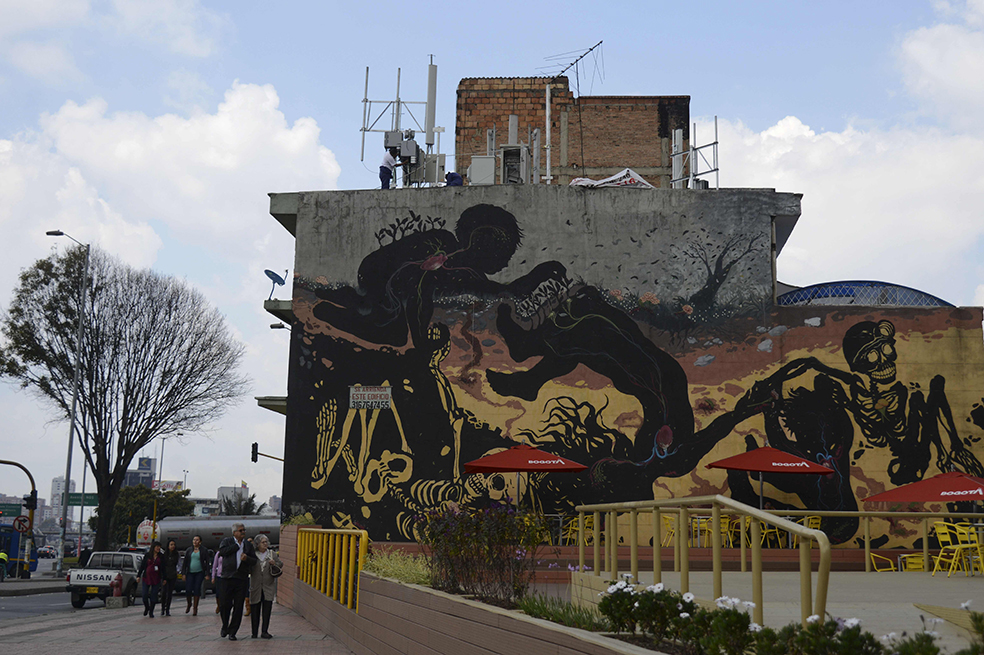
Graffiti in Bogota, Colombia on January 8, 2016. Once considered vandalism, graffiti is gaining more respect in Colombia, reflecting the desire for peace, while the government and the FARC guerrillas negotiate an end to the country's half-century armed conflict. AFP PHOTO/Raul ARBOLEDA / AFP / — / RAUL ARBOLEDA
Foto: AFP - RAUL ARBOLEDA
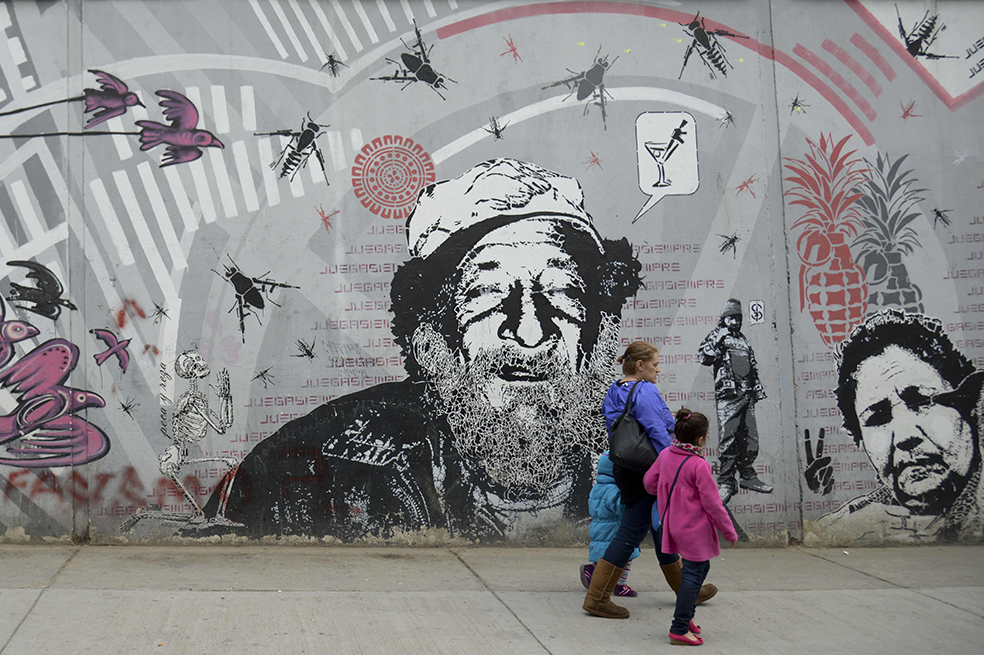
Graffiti in Bogota, Colombia on January 7, 2016. Once considered vandalism, graffiti is gaining more respect in Colombia, reflecting the desire for peace, while the government and the FARC guerrillas negotiate an end to the country's half-century armed conflict. AFP PHOTO/Raul ARBOLEDA / AFP / — / RAUL ARBOLEDA
Foto: AFP - RAUL ARBOLEDA
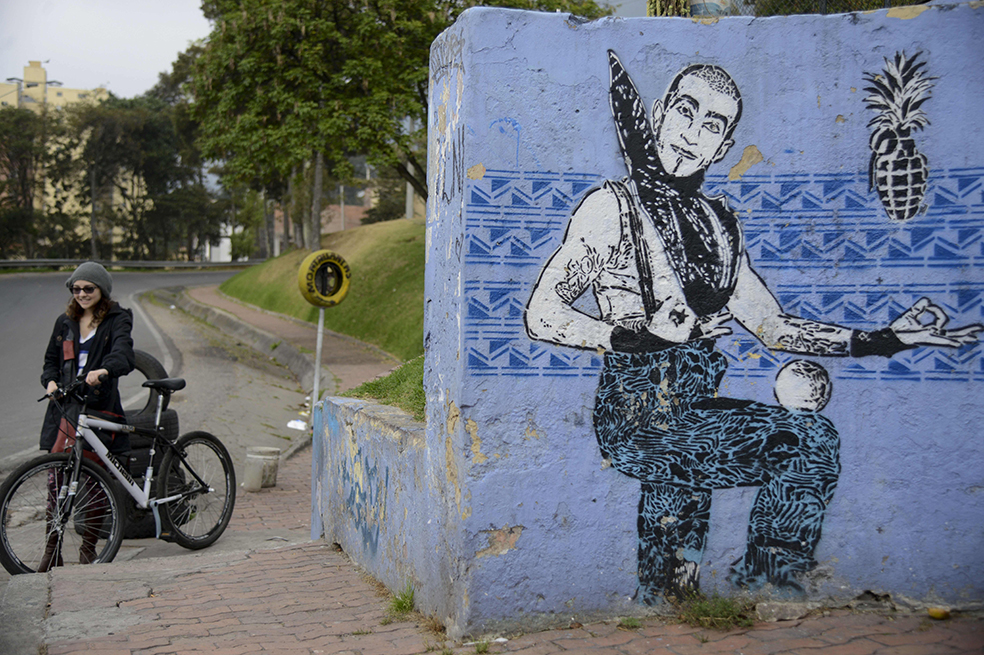
Graffiti in Bogota, Colombia on January 7, 2016. Once considered vandalism, graffiti is gaining more respect in Colombia, reflecting the desire for peace, while the government and the FARC guerrillas negotiate an end to the country's half-century armed conflict. AFP PHOTO/Raul ARBOLEDA / AFP / — / RAUL ARBOLEDA
Foto: AFP - RAUL ARBOLEDA
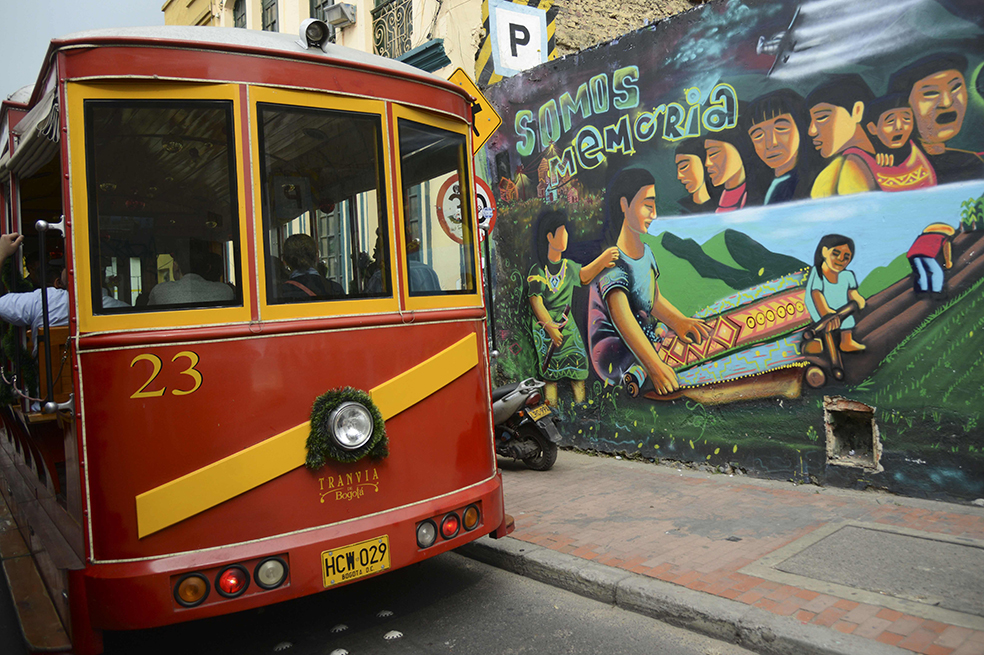
Graffiti in Bogota, Colombia on January 7, 2016. Once considered vandalism, graffiti is gaining more respect in Colombia, reflecting the desire for peace, while the government and the FARC guerrillas negotiate an end to the country's half-century armed conflict. AFP PHOTO/Raul ARBOLEDA / AFP / — / RAUL ARBOLEDA
Foto: AFP - RAUL ARBOLEDA
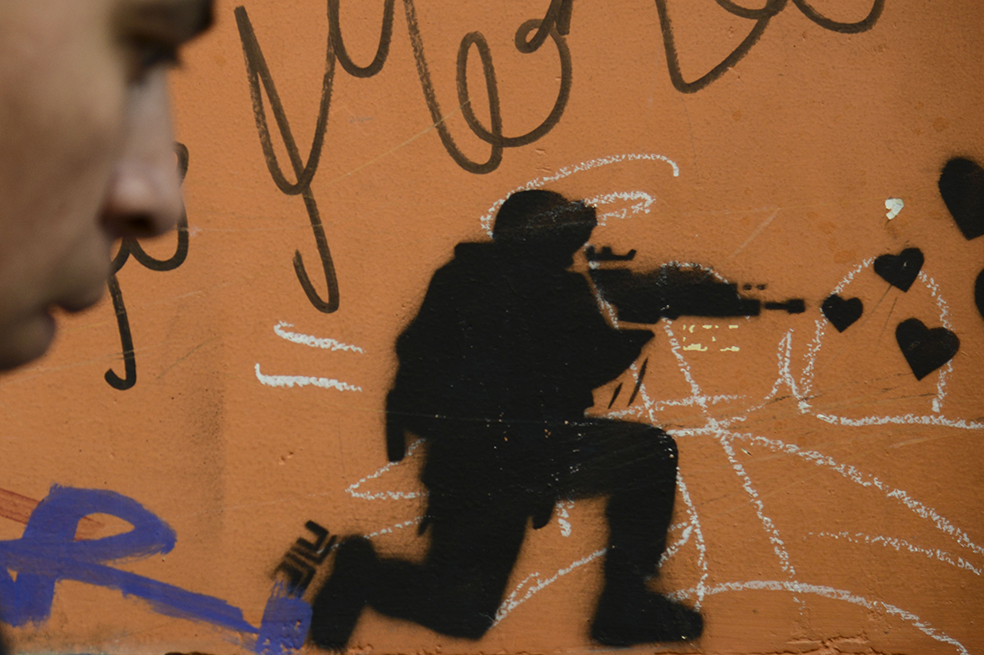
Graffiti in Bogota, Colombia on January 7, 2016. Once considered vandalism, graffiti is gaining more respect in Colombia, reflecting the desire for peace, while the government and the FARC guerrillas negotiate an end to the country's half-century armed conflict. AFP PHOTO/Raul ARBOLEDA / AFP / — / RAUL ARBOLEDA
Foto: AFP - RAUL ARBOLEDA

Graffiti in Bogota, Colombia on January 7, 2016. Once considered vandalism, graffiti is gaining more respect in Colombia, reflecting the desire for peace, while the government and the FARC guerrillas negotiate an end to the country's half-century armed conflict. AFP PHOTO/Raul ARBOLEDA / AFP / — / RAUL ARBOLEDA
Foto: AFP - RAUL ARBOLEDA

Graffiti in Bogota, Colombia on January 5, 2016. Once considered vandalism, graffiti is gaining more respect in Colombia, reflecting the desire for peace, while the government and the FARC guerrillas negotiate an end to the country's half-century armed conflict. AFP PHOTO/Raul ARBOLEDA / AFP / — / RAUL ARBOLEDA
Foto: AFP - RAUL ARBOLEDA

Graffiti in Bogota, Colombia on January 5, 2016. Once considered vandalism, graffiti is gaining more respect in Colombia, reflecting the desire for peace, while the government and the FARC guerrillas negotiate an end to the country's half-century armed conflict. AFP PHOTO/Raul ARBOLEDA / AFP / — / RAUL ARBOLEDA
Foto: AFP - RAUL ARBOLEDA

Graffiti in Bogota, Colombia on January 5, 2016. Once considered vandalism, graffiti is gaining more respect in Colombia, reflecting the desire for peace, while the government and the FARC guerrillas negotiate an end to the country's half-century armed conflict. AFP PHOTO/Raul ARBOLEDA / AFP / — / RAUL ARBOLEDA
Foto: AFP - RAUL ARBOLEDA

Graffiti in Medellin, Antioquia department, Colombia on January 16, 2016. Once considered vandalism, graffiti is gaining more respect in Colombia, reflecting the desire for peace, while the government and the FARC guerrillas negotiate an end to the country's half-century armed conflict. AFP PHOTO/Raul ARBOLEDA / AFP / — / RAUL ARBOLEDA
Foto: AFP - RAUL ARBOLEDA
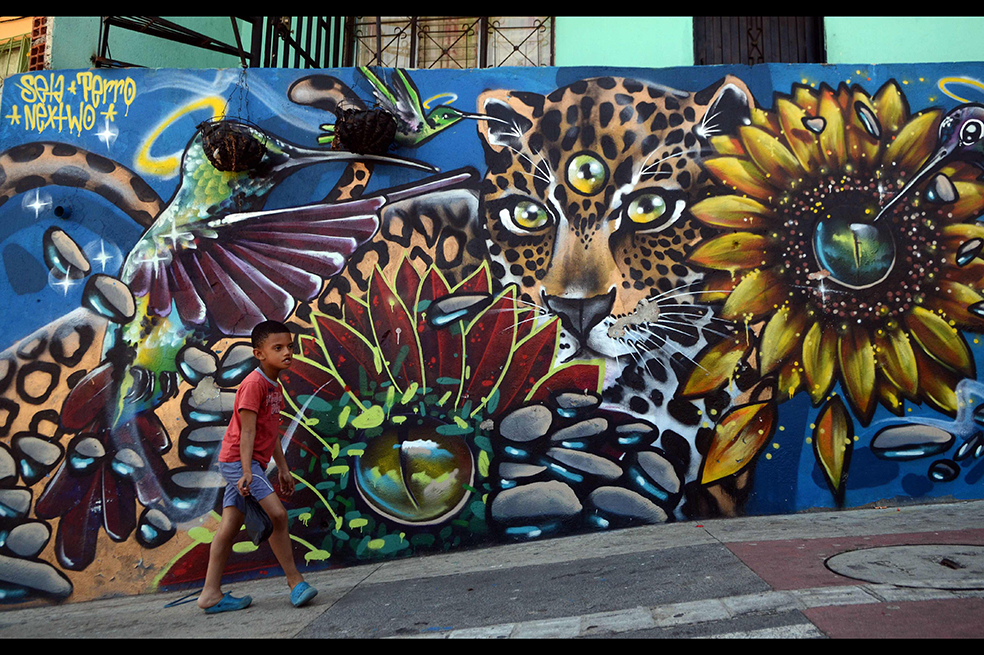
Graffiti in Medellin, Antioquia department, Colombia on January 16, 2016. Once considered vandalism, graffiti is gaining more respect in Colombia, reflecting the desire for peace, while the government and the FARC guerrillas negotiate an end to the country's half-century armed conflict. AFP PHOTO/Raul ARBOLEDA / AFP / — / RAUL ARBOLEDA
Foto: AFP - RAUL ARBOLEDA

A man leans against a wall with graffiti reading "Fewer bullets, more art" in the Siloe neighbourhood in Cali, Colombia on January 9, 2016. Considered vandalism in the past, graffiti is enjoying a boom in Colombia, where it is has even been promoted in authorized places and where visitors can take private tours to see giant murals in the cities. Street art reflects the desire for peace in Colombia, while the government and the FARC guerrillas negotiate an end to the country's half-century armed conflict. AFP PHOTO/LUIS ROBAYO / AFP / LUIS ROBAYO
Foto: AFP - LUIS ROBAYO

A graffiti painting reads "Unity in our hearts" in the Terron Colorado neighbourhood in Cali, Colombia on January 9, 2016. Considered vandalism in the past, graffiti is enjoying a boom in Colombia, where it is has even been promoted in authorized places and where visitors can take private tours to see giant murals in the cities. Street art reflects the desire for peace in Colombia, while the government and the FARC guerrillas negotiate an end to the country's half-century armed conflict. AFP PHOTO/LUIS ROBAYO / AFP / LUIS ROBAYO
Foto: AFP - LUIS ROBAYO
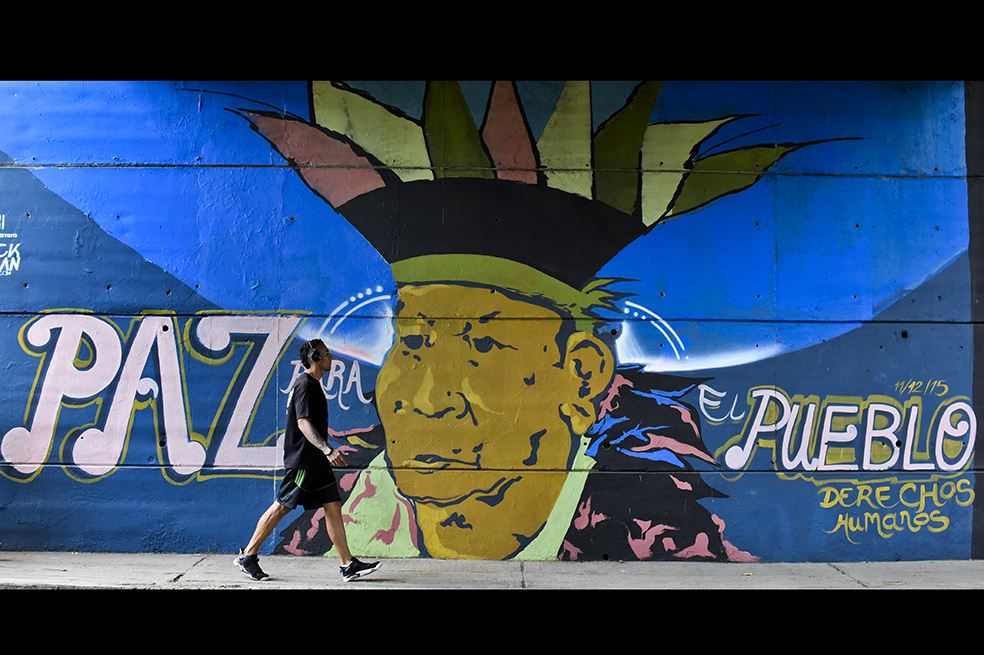
A man walks past graffiti that reads: "Peace for the people, human rights" in the Chipichape neighbourhood in Cali, Colombia on January 9, 2016. Considered vandalism in the past, graffiti is enjoying a boom in Colombia, where it is has even been promoted in authorized places and where visitors can take private tours to see giant murals in the cities. Street art reflects the desire for peace in Colombia, while the government and the FARC guerrillas negotiate an end to the country's half-century armed conflict. AFP PHOTO/LUIS ROBAYO / AFP / LUIS ROBAYO
Foto: AFP - LUIS ROBAYO
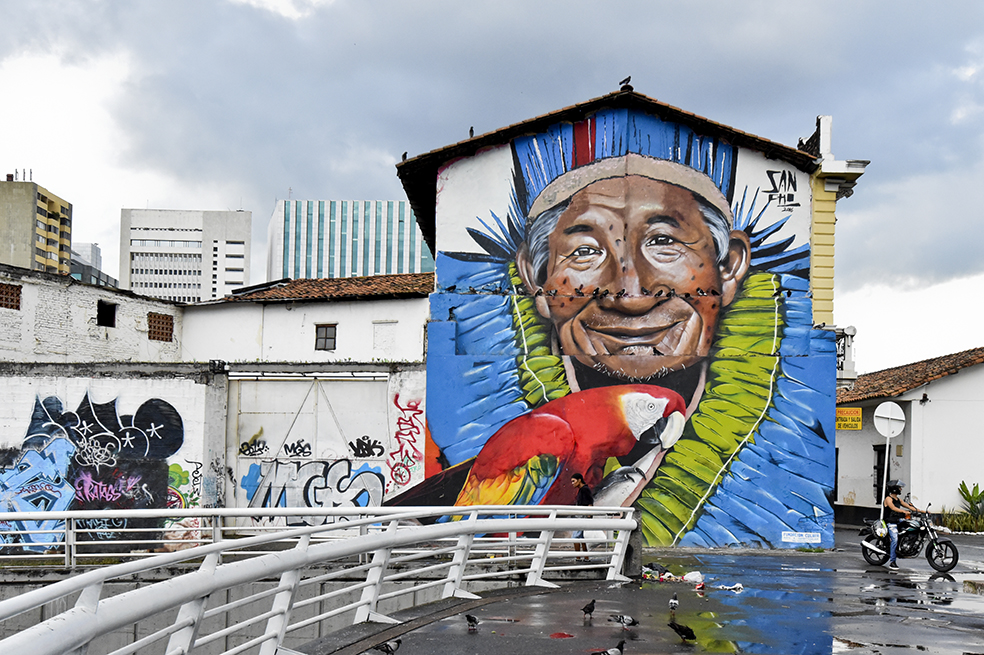
Graffiti in downtown Cali, Colombia on January 9, 2016. Considered vandalism in the past, graffiti is enjoying a boom in Colombia, where it is has even been promoted in authorized places and where visitors can take private tours to see giant murals in the cities. Street art reflects the desire for peace in Colombia, while the government and the FARC guerrillas negotiate an end to the country's half-century armed conflict. AFP PHOTO/LUIS ROBAYO / AFP / LUIS ROBAYO
Foto: AFP - LUIS ROBAYO

A girl looks at graffiti in the Aguablanca neighbourhood in Cali, Colombia on January 8, 2016. Considered vandalism in the past, graffiti is enjoying a boom in Colombia, where it is has even been promoted in authorized places and where visitors can take private tours to see giant murals in the cities. Street art reflects the desire for peace in Colombia, while the government and the FARC guerrillas negotiate an end to the country's half-century armed conflict. AFP PHOTO/LUIS ROBAYO / AFP / LUIS ROBAYO
Foto: AFP - LUIS ROBAYO

 Conoce más
Comentarios
Sin comentarios aún. Suscríbete e inicia la conversación